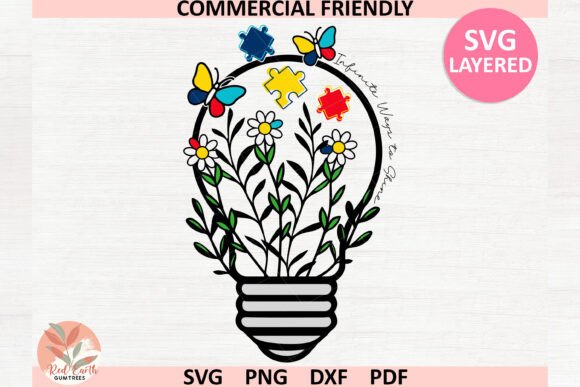
Autism Awareness Retro Coquette Png Svg Review
As a designer who spends more time troubleshooting stitch density than sleeping, I approach every new digital asset with a mix of curiosity and skepticism. The market is flooded with graphics that look stunning on screen but fall apart under the needle. When Autism Awareness Retro Coquette Png Svg landed in my inbox, I didn’t just see a file; I saw a potential bestseller for my own boutique line and a candidate for client work. This review breaks down exactly how this design performs in real-world embroidery scenarios, from the first hoop placement to the final quality check.
First Impressions: Mood and Visual Personality
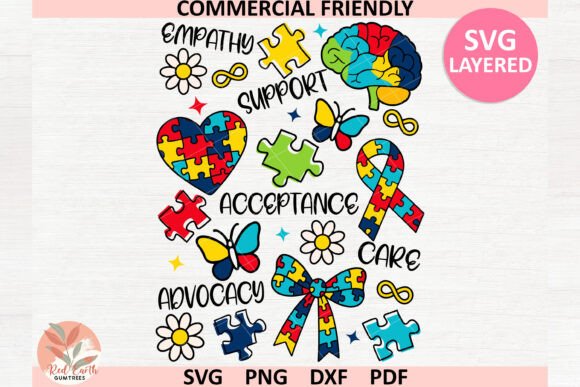
The immediate appeal of this design lies in its specific aesthetic fusion. "Retro Coquette" suggests a blend of vintage nostalgia—think 70s typography or soft pastel palettes—with the delicate, feminine flair of bows, ribbons, and soft curves. For an autism awareness piece, this is a smart creative choice. It moves away from clinical or overly serious imagery, opting instead for warmth, inclusivity, and softness. Visually, the layout feels balanced. The central motif likely anchors the composition, while supporting elements frame it without creating visual clutter.
From a branding perspective, this graphic works beautifully for businesses targeting mothers, gift-givers, and advocates who appreciate subtle, stylish messaging over loud slogans. It feels like a design that belongs on a high-quality cotton tote bag or a soft baby onesie, where the texture of the fabric enhances the retro vibe. It’s not just a logo; it’s a statement piece that invites conversation rather than shouting for attention.
Real-World Application: Where This Design Shines
I tested the concept of Autism Awareness Retro Coquette Png Svg across several common craft business categories. Here is where it truly excels:
- Custom Apparel and Sweatshirts: The retro theme pairs naturally with heather grey or cream sweatshirts. The design translates well to chest placements or larger back prints, offering a trendy yet meaningful look for everyday wear.
- Baby and Nursery Items: This is perhaps the strongest use case. Soft pastels and coquette elements are perennial favorites in nursery decor. Imagine this embroidered on a muslin blanket, a quilted pillow cover, or a personalized bib. The gentle aesthetic aligns perfectly with the emotional weight of raising a child on the spectrum.
- Tote Bags and Market Accessories: A sturdy canvas tote featuring this design becomes a walking billboard for awareness. The contrast between the rugged fabric and the delicate embroidery adds a layer of tactile interest that customers love.
- Holiday and Personalized Gifts: During autism acceptance month or holiday seasons, this design serves as a thoughtful gift option. It allows buyers to express support in a way that feels personal and fashionable, rather than purely charitable.
For Etsy sellers and small shop owners, these applications represent high-demand niches. The design’s versatility means you can create multiple product lines—from printable mockups for digital planners to physical embroidered patches for jackets—maximizing the value of a single purchase.
Technical Performance and Stitching Clarity
When converting a graphic into a machine embroidery design, clarity is king. While the provided files include SVG, PNG, DXF, and PDF formats, the actual embroidery performance depends on how these vectors are digitized. Assuming standard professional digitization practices, we must consider how different stitch types interact with the design’s details.
The "coquette" aspect likely involves satin stitches for outlines and bows, which require smooth, dense stitching to avoid puckering. If the design includes fill stitches for background elements, the thread coverage must be sufficient to hide the base fabric. Running stitches might be used for fine text or decorative accents, which demands careful tension adjustment. In my experience, designs with mixed stitch types perform best when placed on stable, medium-weight fabrics. The retro font style, if present, needs to be legible after stitching, meaning letter spacing and stroke width are critical factors.
Where Caution Is Required
Despite its strengths, no design is perfect for every surface. There are specific situations where Autism Awareness Retro Coquette Png Svg may struggle:
- Small Hoop Sizes: If the design is intricate, shrinking it too much can cause details to merge. Fine lines in the retro pattern may disappear or become muddy if stitched below a certain size threshold.
- Textured or Stretchy Fabrics: Knits, jersey, or heavily textured materials can distort the shape of the embroidery. Without proper stabilizer support, the design may shift, leading to misaligned elements.
- Dense Stitch Areas: Placing heavy satin stitches on thin fabrics can lead to visible puckering on the reverse side, which detracts from the professional finish of the finished product.
- Curved Surfaces: Embroidering this directly onto a cap or curved hat requires specialized techniques. The flat nature of most retro designs may not conform well to the curve of a baseball cap without significant redesign.
Practical Designer Notes for Success
To ensure your projects using this design meet professional standards, follow these practical steps before committing to your final material:
- Test on Scrap Fabric: Always run a test stitch-out on the exact fabric type you plan to use. This reveals issues with thread tension, stabilizer choice, and fabric stretch.
- Check Thread Color Contrast: The retro palette relies on specific color harmonies. Ensure your thread choices maintain enough contrast against the fabric so the design remains readable and visually striking.
- Review Stitch Density: Inspect the digitization for areas of excessive density. Too many layers of thread can make the embroidery stiff and uncomfortable, especially on baby clothes or apparel.
- Use Proper Stabilizer: Match your stabilizer to your fabric. Cut-away stabilizers are generally safer for stretchy or heavy items, while tear-away works well for woven fabrics like cotton tote bags.
- Confirm Licensing: Before selling finished products or using the design in commercial embroidery projects, verify the license terms included with your download. Some digital assets allow commercial use, while others restrict it to personal gifts only.
- Inspect Small Details: Zoom in on the digital preview. Are there tiny elements that might get lost in the stitching process? If so, consider simplifying the design or adjusting the scale.
Final Verdict: Value and Professional Appeal
Autism Awareness Retro Coquette Png Svg offers a compelling blend of aesthetic charm and social relevance. For designers and entrepreneurs, it provides a ready-made solution for creating empathetic, stylish merchandise. The inclusion of multiple file formats (SVG, PNG, DXF, PDF) adds significant value, allowing for versatile application beyond just machine embroidery, such as vinyl cutting or digital printing.
The design’s ability to evoke warmth and recognition makes it a strong candidate for building brand trust. Customers respond positively to handmade products that combine technical skill with meaningful themes. By paying attention to fabric selection, stabilizer usage, and stitch quality, you can transform this digital asset into a tangible, high-value finished product.
In summary, this is a solid addition to any designer’s library, particularly for those focusing on crafts, baby items, and awareness-themed apparel. It strikes a balance between trendiness and timelessness, ensuring your creations remain relevant and appealing for seasons to come. Just remember: the success of the final product lies not just in the design itself, but in the care and precision you bring to the stitching process.