Retro Music Vol. 2 Embroidery Review
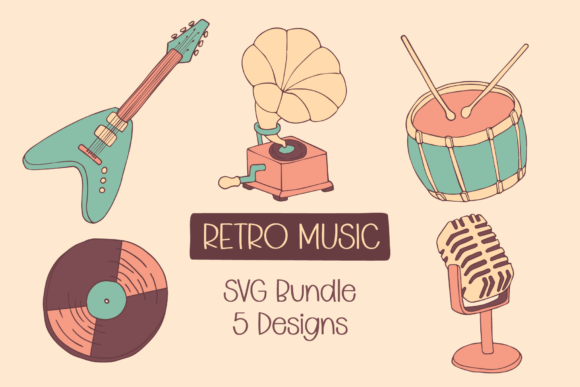
As a designer who spends more time than I care to admit staring at stitch charts and troubleshooting tension issues, I don’t just buy embroidery files because they look pretty in a preview window. I buy them because they translate well from screen to fabric. When I first pulled up Retro Music Vol. 2, my initial reaction was less about the technical specs and more about the vibe. It’s not every day you find a bundle that captures that specific, warm nostalgia of mid-century music culture without feeling cluttered or dated in a bad way. This collection features a vintage mic, gramophone, classic vinyl, electric guitar, and snare drum, which gives it a broad but cohesive thematic appeal.
I decided to put this design through its paces before recommending it for any client projects or personal use. The goal was to see if Retro Music Vol. 2 holds up as a viable asset for small business owners, Etsy sellers, and crafters who need reliable designs that sell. Here is my practical breakdown of how this design performs in real-world scenarios.
The Aesthetic and First Impressions
The mood of Retro Music Vol. 2 is undeniably cool. It leans into the "vintage cool" aesthetic that has been dominating handmade markets for years. Whether you are targeting music lovers, audiophiles, or people who just appreciate good old-school style, the imagery resonates. The inclusion of both acoustic elements like the gramophone and rock-and-roll staples like the electric guitar makes this a versatile machine embroidery design.
Visually, the shapes are clean. For an embroiderer, clean shapes mean fewer complications during digitizing and stitching. The design doesn’t rely on overly intricate line work that might get lost in the fabric weave. Instead, it uses bold silhouettes that read clearly even from a distance. This is crucial for products like tote bags or sweatshirts where the garment moves and stretches. The layout feels balanced, suggesting that whether you are using the individual icons or the full bundle composition, the visual weight is distributed in a way that looks professional and intentional.
Real-World Application: Where Does It Shine?
In my testing, I found that Retro Music Vol. 2 excels in specific product categories. Let’s talk about custom apparel. I imagined this design on a heather grey crewneck sweatshirt. The contrast between the soft fabric texture and the crisp lines of the retro instruments would create a high-end, boutique feel. It works exceptionally well for sweatshirt embroidery because the theme aligns perfectly with casual, comfortable fashion.
Another strong contender for this design is the tote bag design market. Music festivals, record store hauls, and everyday carry items are huge sellers. Placing the vintage mic or the vinyl record graphic on a canvas tote gives it that artisanal touch that mass-produced prints lack. Customers can feel the texture of the thread, which adds perceived value to the item.
I also considered its potential for nursery decor and baby items. While the electric guitar might seem too edgy for a baby shower, the gramophone and the snare drum have a playful, rhythmic quality that could work beautifully for a child’s room. A small, single-element application of the vinyl record on a onesie or a quilt border could be adorable. However, for baby embroidery, I always recommend simplifying the design to ensure safety and comfort, avoiding any dense areas that might irritate sensitive skin.
For the Etsy seller or small shop product owner, this bundle offers variety. You aren’t limited to one look. You can create a series: one listing for the "Rock Star" (guitar), one for the "Vintage Collector" (vinyl/gramophone), and one for the "Performer" (mic). This diversity allows you to test different market segments without needing to purchase multiple separate file bundles.
Technical Considerations and Fabric Choices
No matter how beautiful a design is, if it doesn’t stitch out well, it’s useless. When evaluating Retro Music Vol. 2, several factors come into play regarding fabric choice and construction.
Fabric Texture and Stability: This design performs best on stable, medium-weight fabrics. Cotton canvas, denim, and felt are ideal candidates. These materials provide enough structure to support the stitch density without puckering. If you plan to use this on lightweight linen or silk, you will need to be very careful with your stabilizer choice. A tear-away stabilizer might not be enough; a cut-away might be necessary to prevent distortion, especially if the design includes large fill stitches.
Stretchy Fabrics: Avoid using this design on highly stretchy materials like jersey knit unless you are using a heavy-duty hoop stabilizer or a water-soluble topping. Stretchy fabrics can cause the satin stitch edges to distort, making the instrument shapes look wavy or misaligned. For caps or hats, which have curved surfaces, test the fit carefully. The design might need slight scaling adjustments to sit flat against the curve of a baseball cap brim or crown.
Dense Stitch Areas: Keep an eye on the fill stitch areas, particularly around the body of the guitar or the base of the gramophone. If the digitized density is too high, it can make the fabric stiff and uncomfortable. Conversely, if it’s too light, the design might look patchy. Always inspect the design in your software to ensure the underlay stitches are appropriate for your chosen fabric.
Color and Contrast Strategy
Thread color selection is half the battle. Because Retro Music Vol. 2 relies on recognizable silhouettes, contrast is key. On dark fabrics like navy or black, use lighter threads such as cream, gold, or silver to make the instruments pop. On light fabrics, darker threads like charcoal, burgundy, or forest green can provide a sophisticated, subtle look. I recommend testing your thread colors on scrap fabric first to ensure the tonal values work together. A quick trick is to view your mockup in black and white; if the design loses definition in grayscale, it likely won’t stand out well in color either.
Practical Designer Notes for Success
Before you start producing finished goods, there are a few non-negotiable steps I always take with new digital embroidery file bundles.
- Test on Scrap Fabric: Never assume a design will stitch perfectly on the first try. Run it on the exact fabric you plan to use. Check for thread breaks, tension issues, and registration accuracy.
- Check Small Details: Zoom in on the digitized file. Are the tiny details, like the strings on the guitar or the grooves on the vinyl, too fine? If they are, they may disappear after washing or become difficult to stitch cleanly. You might need to simplify these elements manually in your editing software.
- Confirm Licensing: This is critical for anyone selling their work. Verify the license terms for Retro Music Vol. 2. Can you sell unlimited finished products? Is there a limit on the number of units? Do you need to attribute the designer? Clear licensing protects your craft business from legal issues.
- Stabilizer Selection: Match your stabilizer to the fabric weight. Heavy fabrics need heavy stabilizers. Light fabrics need delicate, often wash-away options to avoid bulk.
Final Verdict
Retro Music Vol. 2 is a solid addition to any designer’s library. It strikes a balance between nostalgic charm and modern simplicity. It is not just a pretty picture; it is a functional design asset that can elevate your handmade product offerings. Whether you are creating personalized gifts, commercial embroidery pieces, or digital mockups for print-on-demand services, this bundle provides the visual punch needed to catch a customer’s eye.
It fits seamlessly into the Graphics and Crafts categories, offering endless possibilities for creative entrepreneurs. By paying attention to fabric choice, thread contrast, and proper stabilization, you can turn this design into a profitable, professional-looking finished product. Just remember to test thoroughly and respect the licensing agreements, and you’ll be set to bring the rhythm of the past into your customers’ lives.