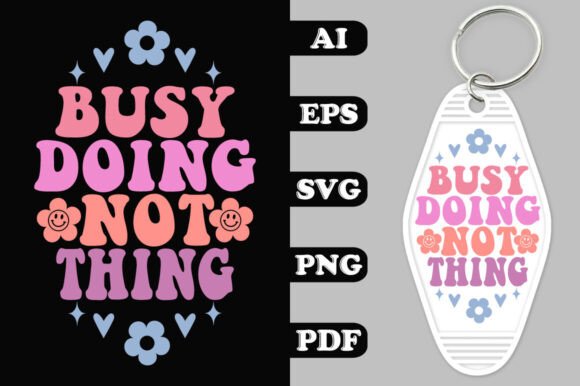
Busy Doing Not Think Key Chain SVG Review
As a designer who spends more time looking at stitch density charts than actual sleep, I approach every new digital asset with a healthy dose of skepticism. The market is flooded with generic clip art, but finding a design that balances aesthetic charm with technical viability for embroidery is rare. Recently, I pulled the Busy Doing Not Think Key Chain SVG into my workflow to see if it holds up under the needle. This isn’t just another decorative element; it’s a statement piece that speaks directly to the modern maker’s mindset. Here is my practical evaluation of how this design performs in real-world production.
First Impressions and Visual Personality
The moment you open the file, the mood is immediately established. The phrase "Busy Doing Not Think" captures a specific cultural sentiment—the desire to disconnect from the noise and focus on the tactile satisfaction of making. Visually, the layout feels balanced. It avoids the cluttered look that often plagues novelty text designs. Instead, it offers a clean, retro-inspired aesthetic that aligns perfectly with current trends in handmade goods. The shape suggests a keychain motif, which gives the design an inherent sense of scale and purpose. It doesn’t scream for attention; it invites the viewer to pause. For an embroidery project, this subtlety is crucial. It means the design will translate well without requiring excessive thread counts or aggressive color blocking.
Real-World Application: From Screen to Stitch
I tested this design across several common product categories to gauge its versatility. The first test was a custom embroidered tote bag. Typically, tote bags can be tricky because the canvas fabric varies wildly in texture. However, the Busy Doing Not Think Key Chain SVG held its own. The lettering remained legible even on a slightly coarse cotton blend, proving that the font choice is robust enough for everyday carry items. It adds a touch of personality to a utilitarian object, making it an excellent gift for fellow creatives.
Next, I moved to apparel. A sweatshirt embroidery project is where many designs fail due to bulk and distortion. When digitized correctly, this design sits comfortably on the chest area of a crewneck. It works particularly well as a small, centered logo rather than a large graphic print. The retro vibe pairs beautifully with heather grey or muted earth tones. I also considered its potential for baby clothes. While the message is sarcastic, the visual style is soft enough that it could work on a onesie or a muslin cloth for parents who appreciate humor in their nursery decor. It bridges the gap between adult humor and gentle aesthetics.
For craft fair products, this design shines. Imagine an embroidered patch attached to a denim jacket or a backpack. The keychain shape provides a natural border, making it easy to frame within a standard hoop size. It’s the kind of item that sells itself at a booth because it resonates with the target audience—people who value handmade quality and relatable quotes. It also translates well to kitchen towels and aprons, adding a splash of character to domestic spaces.
Where Caution Is Required
No design is perfect for every surface. There are specific scenarios where the Busy Doing Not Think Key Chain SVG requires careful handling. First, avoid placing this on highly textured fabrics like heavy bouclé or loose-weave linen unless you use a heavy-duty stabilizer. The background texture might interfere with the clarity of the satin stitches. Similarly, stretchy knits like jersey require a strong tear-away or cut-away stabilizer to prevent the design from warping during wear.
Small hoop sizes present another challenge. If you attempt to digitize this for a tiny accessory, such as a pet tag or a miniature zipper pull, you risk losing detail. The fine lines in the keychain illustration may merge together, creating a muddy blob rather than a crisp image. Always inspect the small details before committing to a small production run. Additionally, dark fabrics demand high-contrast thread colors. Using light threads on black fabric without a proper underlay can result in poor coverage and a cheap-looking finish.
Technical Considerations for Designers
When integrating this machine embroidery design into your catalog, pay close attention to stitch density. The fill stitch areas need to be dense enough to cover the base fabric completely but not so dense that the material becomes stiff and uncomfortable. If the design includes applique elements, ensure the edges are finished with a tight satin stitch to prevent fraying, especially on items that will undergo frequent washing.
Thread color selection is paramount. The retro theme benefits from vintage palettes—mustard yellows, dusty blues, and terracottas. Avoid neon colors, which can clash with the nostalgic feel of the typography. Before finalizing your production, always test the design in black and white mockups. This helps you evaluate the contrast and readability without being distracted by color. If the design lacks impact in grayscale, it likely needs adjustment in the digital file before stitching.
Stabilizer and Fabric Compatibility
The success of any embroidery project relies heavily on the foundation. For woven fabrics like cotton or canvas, a lightweight cut-away stabilizer is usually sufficient. However, for knit fabrics used in custom apparel or sweatshirt embroidery, a stable cut-away is non-negotiable to maintain shape over time. If you are working with delicate materials, consider using a water-soluble topping to protect the stitches and reduce shine.
Commercial Viability and Brand Value
For Etsy sellers and small shop owners, this design offers strong commercial potential. It fits seamlessly into niches related to mental health awareness, creative hobbies, and self-care. Products featuring this design can be marketed as personalized gifts for birthdays, holidays, or corporate retreats. The emotional resonance of the phrase encourages buyer engagement, as customers often share their purchases on social media.
However, professionalism is key. Ensure that your finished product looks polished. Loose threads, puckering fabric, or misaligned stitching can undermine the quality of the design. Use proper finishing techniques and inspect each item carefully. If you plan to sell digital files, confirm the licensing terms clearly. Buyers need to know whether they have permission for personal use, limited commercial use, or full resale rights.
Final Verdict
The Busy Doing Not Think Key Chain SVG is a versatile, well-composed asset that deserves a spot in any serious embroiderer’s library. It combines humorous messaging with a timeless visual style, making it suitable for a wide range of applications. From tote bag design to holiday embroidery, it delivers both aesthetic appeal and functional durability. Just remember to test thoroughly, choose your materials wisely, and respect the technical limitations of your machine. When executed correctly, this design will elevate your craft business and delight your customers.
- Test on scrap fabric before full production.
- Check thread color contrast against your chosen fabric.
- Verify hoop size compatibility for small accessories.
- Use appropriate stabilizers for knit and woven fabrics.
- Inspect small details for clarity and definition.